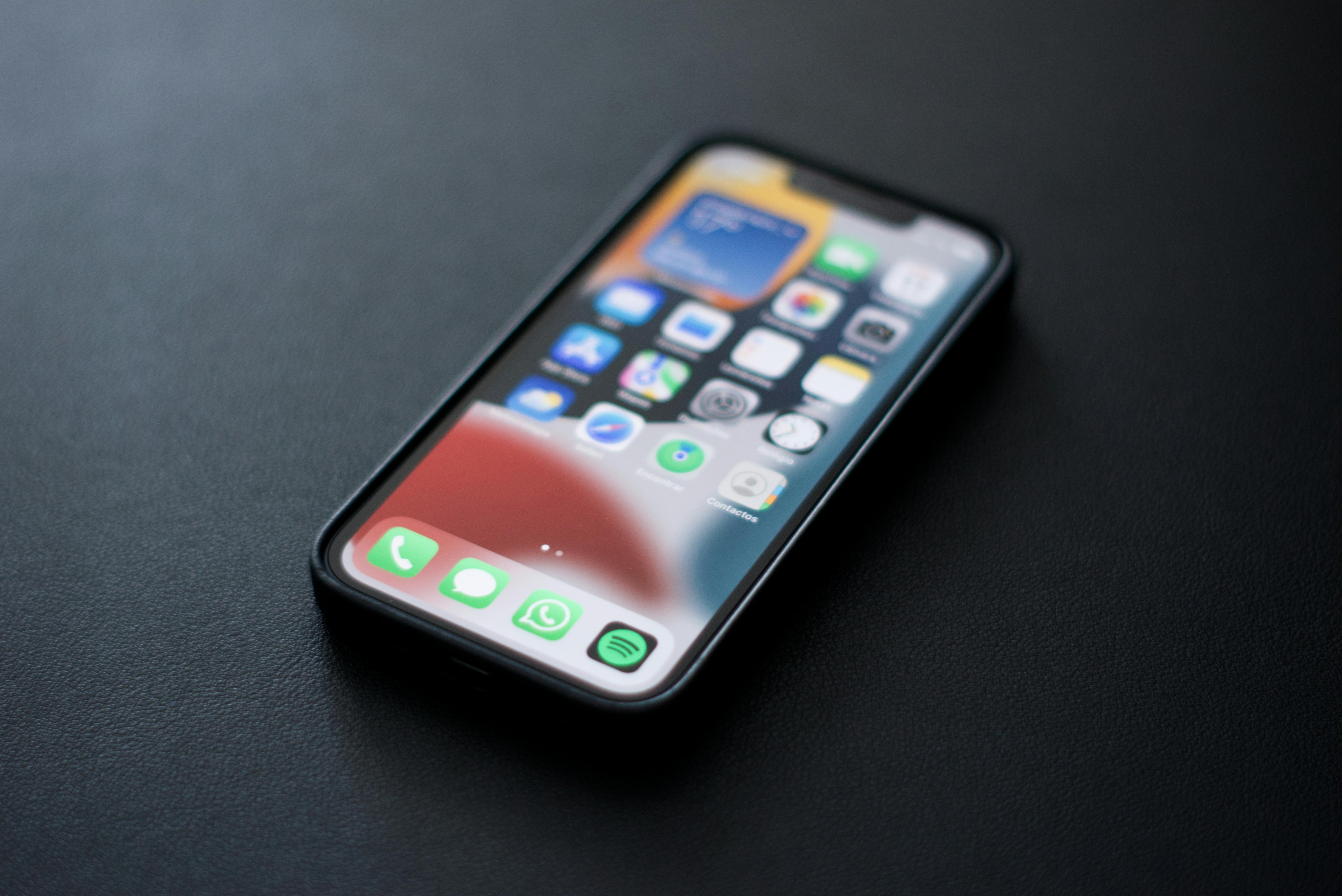
5 Signs It May Be Time for a Phone Upgrade
Not sure if it's time for a new phone? Look out for these five signs that your current device may no longer meet your everyday needs.
When Should You Get a New Phone?
Since a smartphone is central to your working processes, banking, navigation, and communication in Singapore, living with an aging smartphone consumes your time and makes it a hassle.
How to know when it is the right time to keep using your current smartphone and when it’s necessary to change it? The following blog provides information on 5 major symptoms and different methods of replacing a device without over-budgeting.
1. Battery Life No Longer Last Through the Day
Each battery represents a consumable component with depleted chemical capacity over time. Apple stated that the older iPhones have 80% of their initial capacity after 500-1000 full charge cycles in ideal conditions. After reaching 80% of maximum capacity, your phone won’t be able to last long until the end of the day.
The hot and humid conditions contribute to the process of chemical degradation even more, especially if you use the wireless charging feature. The need for carrying a power bank with you everywhere turns your mobile phone into a tethered one. An old battery with an aged processor will never give you all-day autonomy like new silicon.
2. Constantly Deleting Photos to Install an App Update
Being on internal storage was a relatively minor problem easily remedied by removing a few downloaded apps. Nowadays, high-quality photos, 4K videos, playlists saved for offline use, and long chats take up gigabytes at an alarming rate. Operating system upgrades themselves often need multiple gigabytes of available space to even begin installing.
With constant storage utilization staying consistently above 90%, the effects will reach through pop-up notifications. Flash memory becomes inefficient when it’s short to handle reading and writing processes effectively, causing it to slow down applications and cloud backups. If you find yourself constantly deleting or removing pictures or apps, your base storage capacity has already become insufficient for current trends in tech.
3. Everyday Lag Affecting Your Daily Routine
Newer mobile apps are designed to exploit the benefits of more recent neural engines, increased speeds of RAM, and more vibrant high refresh rate displays. On a 3 or 4-year old phone, this development creates micro pauses when scrolling, shutter delay when taking a picture, or background applications reloading themselves.
Degradation of the battery adds to this effect. The phone will be unable to produce peak instant energy, operating systems will reduce the processor speeds to avoid shutting down unexpectedly. When your current device isn’t efficient, then upgrading to the latest version will get rid of small lags everyday.
4. Device Stopped Receiving Software Updates
Smartphone companies offer limited periods of upgrades to productivity applications, battery optimization features and vulnerability fixes to cybersecurity. Consumers who depend heavily on their mobile banking apps, digital wallet and Singpass services, having an outdated operating system poses an unnecessary risk to your personal information. Banking and government apps have minimum versions of the operating system that they require.
5. Camera Features Look Dated
The hardware and software used in cameras have made huge improvements over time. The older phones have been known to produce pictures in low-light conditions that are not clear, pictures that are washed out when taken under midday sun, or blurred pictures when someone moves slightly.
If you’re into travelling and capturing content for business purposes or documentation and you have to carry a separate camera, you have a good reason to change.
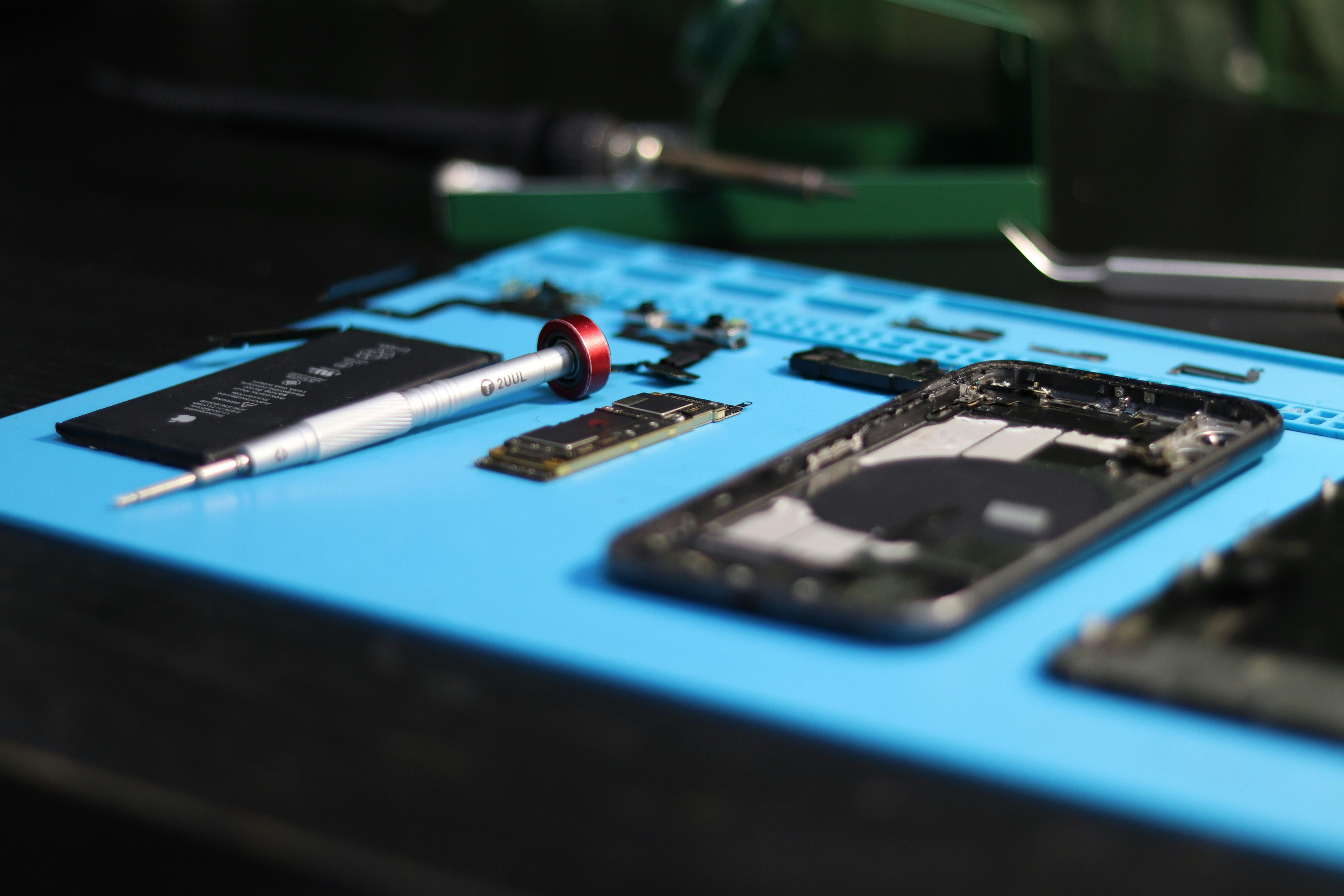
How to Upgrade without the Heavy Upfront Price Tag
High-end phones are certainly not cheap, while telco contracts will often commit you to a 2-year fixed plan with inflated charges each month. The alternative is device subscription service. With Cinch, consumers in Singapore are able to get their hands on the latest smartphones with manageable monthly fees and without depreciation due to owning.
Subscribers have the liberty to combine their device with their preferred tiers of services depending on their choice at the time of checkout.
Cinch Plus (S$4.99/month): Inclusive of damage to the devices like screen damage or liquid damage and is charged a flat S$75 repair cost with pickup and delivery service.
Cinch Max (S$12.99/month): Reduces the repair cost to S$25 and adds device swap option for S$125. It also unlocks an early upgrade in the last 6 months of your term with no early termination fee.
Upgrading Your Phone FAQs
How many years should a smartphone realistically last before an upgrade? Most modern smartphones deliver their best performance and battery endurance for 3-4 years. Beyond that window, declining lithium-ion battery chemistry, heavier app demands, and the end of manufacturer security updates typically make an upgrade more practical than paying for repeated component repairs.
Is it better to replace my old phone's battery or upgrade to a new device? If your phone is under 3 years old, still receives official OS security patches, and has plenty of free storage, a standalone battery replacement is an economical fix. If your device also suffers from storage shortages, camera limitations, or sluggish performance, investing in a newer model provides far better long-term value.
How does subscribing to a phone with Cinch differ from buying on a traditional telco contract? Traditional telco plans bundle the cost of a handset into a rigid 24-month mobile data contract, often locking you into higher monthly tariffs and steep early termination penalties. Subscribing through Cinch separates your hardware from your SIM plan, giving you transparent monthly pricing, built-in accidental damage protection, and the freedom to return, extend, or upgrade at the end of your term.
Can I keep the phone at the end of my subscription if I grow attached to it? Yes. Device subscriptions are built around flexibility rather than forced returns. Depending on your market and plan, you can choose to extend your subscription, upgrade to a newer release, return the handset hassle-free, or pay the remaining balance to buy the device outright and keep it permanently.


 1,618 Google reviews