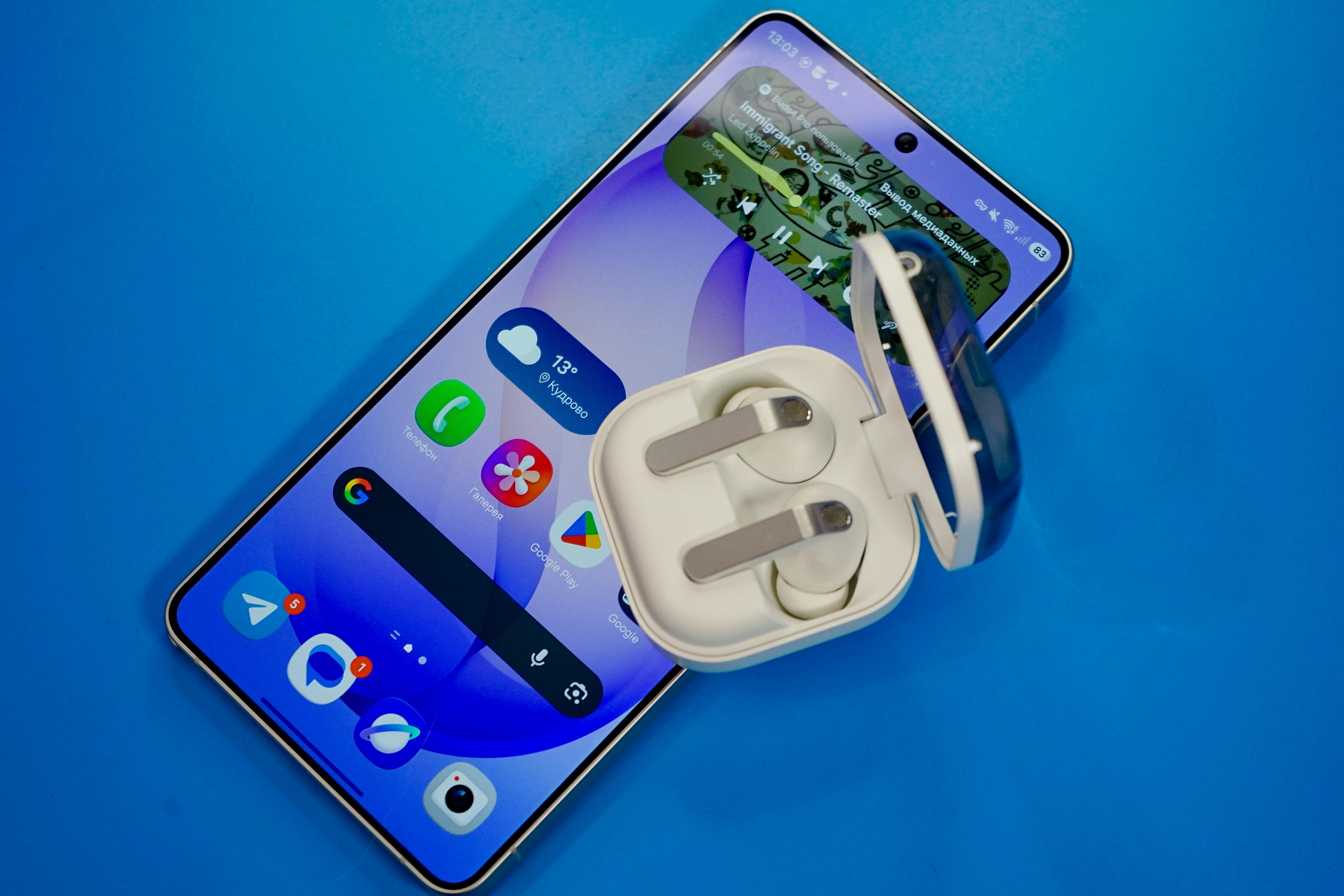
BNPL or Subscribe the Samsung Galaxy S26: Which Makes More Sense?
Thinking about getting the Samsung Galaxy S26 but unsure how to pay for it? Compare BNPL with Cinch's monthly subscription plans to understand the costs, benefits, and flexibility of each option.
Galaxy S26: Buy Now or Subscribe?
With premium hardware like the Samsung Galaxy S26 pushing technological boundaries — featuring Qualcomm 3nm Snapdragon 8 Elite Gen 5 processor, a 6.3-inch Dynamic AMOLED 2X display and advanced Galaxy AI integrations — the financial commitment is equally substantial.
For consumers across Singapore deciding how to fund this hardware upgrade has become a critical choice. Today standard upfront purchases compete directly with BNPL (Buy Now Pay Later) micro-installment services and modern device subscription models. Evaluating these routes requires looking beyond the immediate excitement of unboxing a new phone to analyse total ownership costs, unexpected repair risks, and operational flexibility over time.
Buying a Phone through Installments
Instead of paying a large sum on the first day you split the total cost into smaller monthly payments. This method frees up cash for daily expenses, investments, or personal savings while still letting you use top-tier hardware right away.
Although splitting payments seems simple, traditional credit card installment plans and BNPL providers often hide trade-offs. In addition, installment options offered through telecommunications contracts usually bundle high monthly mobile data tariffs, locking you into costly multi-year plans that raise your total spend beyond the actual price.
When you buy a phone on an installment plan or BNPL, you’re paying for an asset that steadily depreciates its market value. By the time your installment payment ends, the market value of your device has fallen sharply, yet you still carry the full financial responsibility for that value drop.
How is Device Subscription Different from BNPL?
BNPL is a financial loan product that lets you buy an asset outright over a short period of time. With BNPL, you become the owner of the hardware and take on all financial risk, such as out-of-warranty defects and falling trade-in value.
In contrast, a device subscription is a service agreement. Instead of borrowing money to buy a physical product, you pay a flat monthly fee to use the device for a period that fits your needs. With a device subscription, you pay for the use and experience of the device not for accumulating electronics that depreciate over time.
If a smartphone bought with BNPL gets a cracked screen or liquid damage, you still have to pay the rest of the loan and its high repair costs. A device subscription changes this by putting protection with the service. Because the provider maintains a relationship with you, hardware protection, and replacement service are usually built into the subscription level, which protects you from sudden repair bills.
The Impacts Over Time to Your Costs
Evaluating smartphone expenses means you spend and compare it to what you still have at the end of how long you use the device.
Upfront Retail Purchase: When you buy a phone at retail, you would use up all your cash upfront, taking the hit of the phone losing value overtime and any repairs after the warranty ends.
BNPL Installments: Spreading the cost over 3 to 12 months, keeping your cash flow better at the start. You still pay the full retail price for a phone that keeps losing value. If you miss a payment, you’ll face late fees and it’ll damage your credit.
Device Subscriptions: You pay monthly amounts with low upfront costs. You only pay for the time you keep the phone, avoiding the depreciation loss that comes with owning a phone long-term.
The total cost of owning a phone often goes up fast, which includes cracked screen, battery problems, or liquid damage. Repairs for high-end phones out-of-warranty can cost hundreds. With a device subscription, you get capped maintenance costs which you know how much you’ll spend, avoiding the risk of unexpected expenses.
Which Option Offers More Flexibility?
Traditional carrier contracts make it hard for consumers because they’ll put you to bundle mobile data plans with hardware, basically you’re stuck in multi-year agreements that don’t fit your needs.
Cinch, a device subscription service that’s changing how people in Singapore think about owning a smartphone. Instead of being tied to a carrier, you can separate your device from your network provider, letting you have access to use premium smartphones on terms that match your budget.
Cinch Plus: You’re covered with a fixed repair cost of S$75/incident.
Cinch Max: Drops the repair fee to S$25 and it also gives you a next-day device swap for S$125 if your phone isn’t working at all. In addition, you get the freedom to upgrade early in the last 6 months of your term.
If you want a flagship phone without long-term loans or losing value, Cinch is a smarter way to upgrade.
Which Payment Method Fits Your Budget?
Choosing Upfront Purchase for Long-Term Multi-Year Holding
If you plan to keep a smartphone for 4 or 5 years — until it no longer gets software security updates — buying the phone outright is still an option. Over time, the yearly cost of owning the phone becomes steady as long as the phone doesn’t suffer major physical damage or the battery degrades early.
Choosing BNPL for Short-Term Cash Flow Management
BNPL works well for people who want to own their phone without paying the price upfront but are ready to make payments over 3 to 6 months. This method demands financial control. You must stay on top of payments to avoid fees and accept the risk of the phone losing value and needing repairs.
Choosing Device Subscriptions for Maximum Value and Low Risk
Subscribing to the Galaxy S26 or any other device is best for tech enthusiasts, busy professionals, and anyone who likes staying on the latest gadgets. It lets you avoid locking up money upfront and removes the worries of repairs. The way to stay updated without big financial risks is you get the devices each time, pay a fixed monthly fee, and don’t have to worry about sudden tech obsolescence.
BNPL or Subscribe FAQs
Is subscribing to a phone through Cinch cheaper than buying it outright? Subscribing significantly reduces your initial cash outlay and protects you from hardware depreciation and high repair fees, making it far more cost-effective if you prefer upgrading your device every 1 to 2 years.
What happens if I drop and damage my subscribed phone on Cinch? Subscribers covered by Cinch Plus or Cinch Max enjoy capped repair costs set at a flat S$75 or S$25 respectively, eliminating surprise repair bills.
Can I keep my existing mobile number and SIM card when subscribing with Cinch? Yes, Cinch provides standalone hardware subscriptions, meaning you can use any existing SIM card, eSIM, or mobile data plan from any network operator in Singapore.
What condition does the phone need to be in when returned at the end of a Cinch subscription term? Normal daily wear and tear is fully accepted. As long as the device is returned in functional condition without catastrophic unnotified damage, your return process is simple and hassle-free.


 1,618 Google reviews